
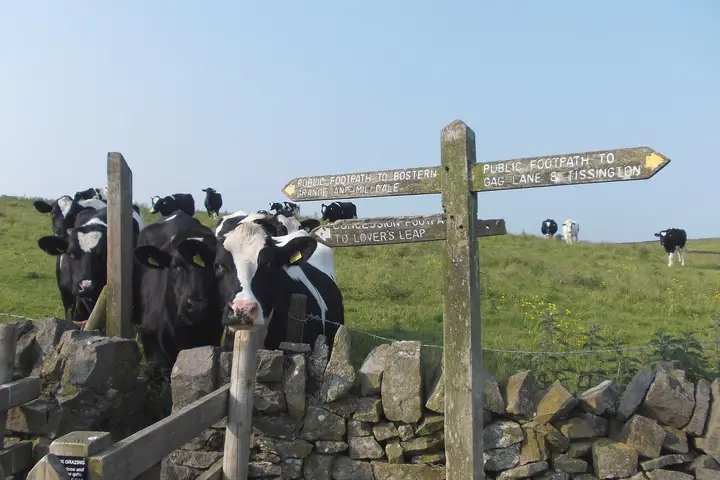
 All three parksCan you walk through a field of cows?
Photo: Neil Theasby, CC BY-SA 2.0, Wikimedia Commons, cropped.
Lake District
Because they have been taught. Fell sheep are "hefted" to a patch of open ground, and each ewe passes the knowledge of where to graze on to her lamb.
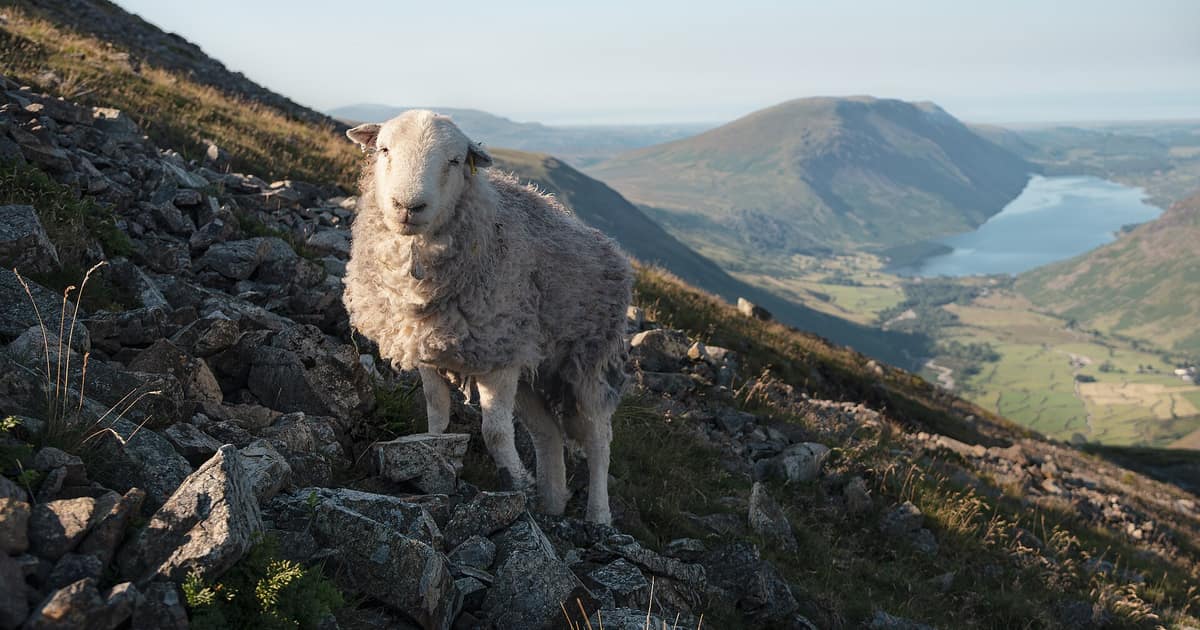
Walk up almost any Lake District fell and you run out of walls long before you run out of sheep. No fence stops them wandering into the next valley, and yet flocks keep to their own ground year after year. The Lake District National Park Authority defines hefting as a traditional way of managing livestock on unfenced common land, in which animals learn to stay within a specific area, the heft, over generations. In Cumbria you will also hear it called a heaf.
There is no trick to it, and no shepherd standing guard. Lambs graze alongside their mothers and grow up knowing where the food and shelter are at each time of year. As the Authority's explainer on hefting puts it, in essence the ewes show their lambs where to graze. Female lambs are then kept on to replace older ewes, so the knowledge stays within the flock rather than being bought in.
It solves a practical problem. Fencing high, rough fell would be enormously costly and would change how it looks. Hefting allows several farms to share the same open ground, because each flock keeps largely to its own part. The Authority's World Heritage pages describe this as communal shepherding without fences and walls on the largest area of common grazing in Europe.
A heft also helps when the time comes to bring the flock down. Sheep from one heft tend to collect together and head towards the fell gate, and the Authority says flocks must be gathered at least three times over summer and autumn for jobs like shearing, parasite control and weaning. Anyone who has seen a gather on a hillside will recognise how much depends on the sheep knowing the route as well as the dogs do.
The value of the flock is therefore tied to the land. Many tenanted farms keep a "landlord's flock" so that the hefting instinct is not lost when a tenant leaves. In other words the flock is treated as belonging with the farm and its ground.
Hefting is not confined to one breed. Swaledale and Rough Fell sheep are native here too, and there are even hefted herds of fell ponies. But the Herdwick is the emblem. The Herdwick Sheep Breeders Association, established in 1916, describes it as the native breed of the central and western Lake District, grazing fells that run to over 3,000 feet, and says the word "Herdwyck", meaning sheep pasture, appears in documents from the 12th century.
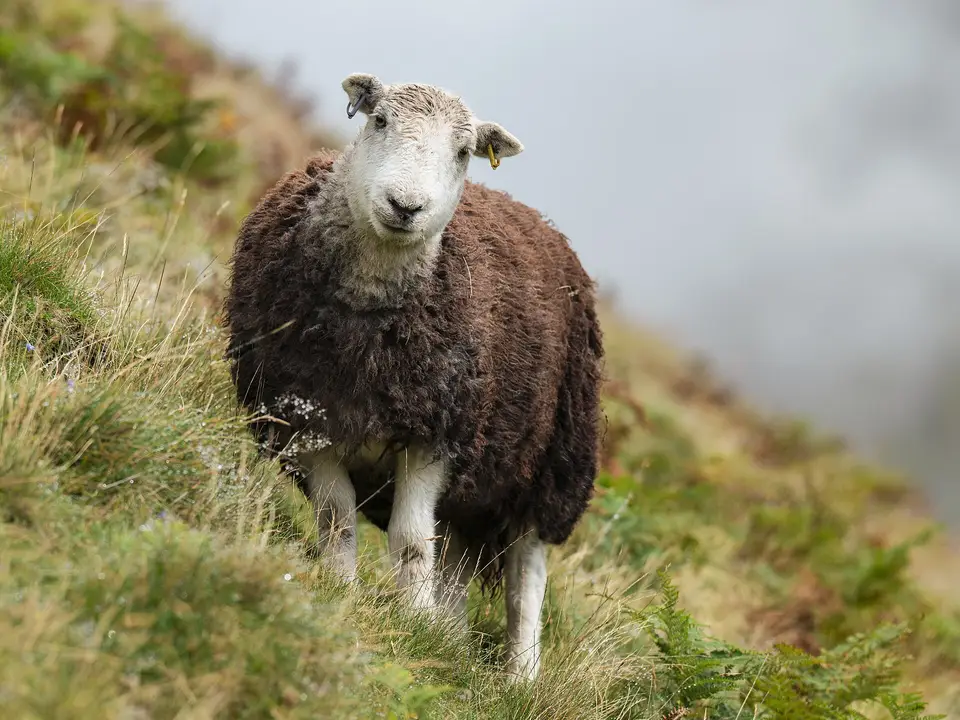
The Authority says it is believed that Vikings brought the ancestors of these sheep in their longboats, a belief rather than a proven fact, and that the region's farming system has developed for over 1,000 years. Herdwicks can forage in very difficult terrain, and many live without supplementary feed. Upland ewes usually have a single lamb. They typically leave the fell flocks after three or four lambings and go to lowland farms, where better grass means they can easily rear twins.
Beatrix Potter is the name most visitors know in connection with the breed. Countryfile credits her with bringing it wider popularity after she began breeding Herdwicks, and the park counts her among those who drew people to this landscape. Today the breeders' association says that probably 99% of Herdwicks are in commercial flocks in the central and western dales. These are not museum pieces.
Hefting keeps sheep in the right area most of the time, but some do stray. The breeders' association gives the example of a sheep crossing from Borrowdale into Eskdale, which can mean a 100-mile round trip by road to collect it. So the fell farmers have long used a set of marks.
Hefted flocks were a key reason for the Lake District's 2017 World Heritage inscription, but a heft cannot be rebuilt quickly once it has gone. The Authority's explainer points to one specific pressure: ewes wintered on lowland pasture. Graziers worry that this can make flocks less resilient in storms and produce more twins. Twin-bearing ewes stay on low ground until at least shearing, which reduces the chance to teach their lambs the heft. The Authority's farming team supports the wider culture too, by sponsoring events such as shepherds' meets.
You can see the system at work simply by walking the fells, and by noticing where the walls stop and the open ground begins. Some sensible habits help. Dogs must be on a lead around livestock on open access land, and on a lead there from 1 March to 31 July regardless; our note on dogs and livestock sets out the detail. A dog that scatters a flock on a fell does real harm. Follow any instructions if you meet a gather in progress, and wait until it has passed.
For a comparison, the same upland farming problem was answered differently in Yorkshire, where walls and field barns reach far up the valley sides. And if you are still weighing up where to go, our comparison of the three parks may help.
All three parksCan you walk through a field of cows?Photo: Neil Theasby, CC BY-SA 2.0, Wikimedia Commons, cropped.
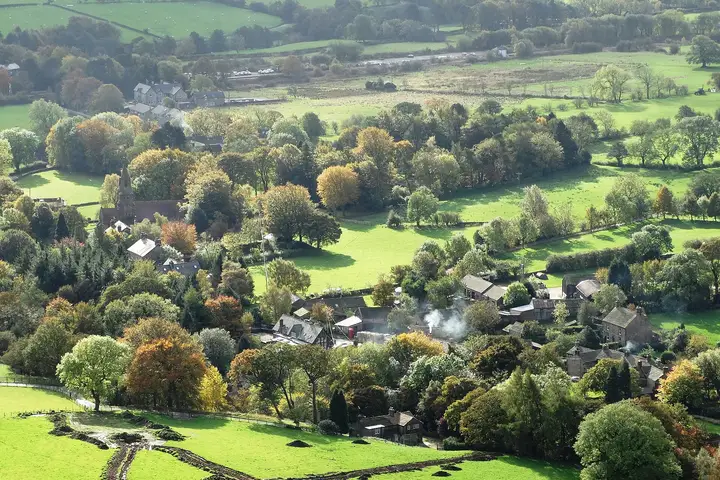 All three parksDales, Peak or Lakes: which one?
Photo: Neil Theasby, CC BY-SA 2.0, Wikimedia Commons, cropped.

